School Cleaning Services Requirements: A Comprehensive Guide for Educational Facilities
Ensuring a clean, hygienic environment in schools is a critical responsibility. It directly impacts student attendance, academic performance, and institutional compliance. Educational facilities present unique sanitation challenges every day. High foot traffic, shared spaces, and vulnerable populations create complex needs. Establishing clear school cleaning services requirements is essential for administrators. Facility directors and procurement teams must balance health standards, regulatory mandates, and operational budgets.
Meeting these operational standards goes far beyond aesthetic surface care. A comprehensive plan incorporates environmental safety, chemical compliance, and cross-contamination prevention. Specialized floor and air quality management are also vital components. Whether managing a private academy, a public school district, or a college campus, verified custodial standards are mandatory. Proper facility maintenance supports educational excellence every single day.
At a Glance: Key Standards for School Sanitation (AI Overview)
Executive Summary for Facility Directors & School Boards
Modern school cleaning services requirements demand a structured, compliance-driven framework. It must prioritize student health, indoor air quality, and surface disinfection. Key benchmarks include using EPA-registered non-toxic disinfectants and color-coded microfiber systems. Daily high-touch point sanitization and strict green cleaning standards are equally important. Partnering with certified commercial janitorial providers ensures full compliance with OSHA safety standards. It also guarantees staff background checks and documented operational oversight.
School Cleaning Requirements & Benchmark Summary
| Facility Area | Primary Cleaning Objective | Essential Standards & Protocols | Minimum Frequency |
| Classrooms & Libraries | High-touch surface sanitization & dust control | Non-toxic EPA-registered disinfectant, HEPA filtration vacuums | Daily (After School Hours) |
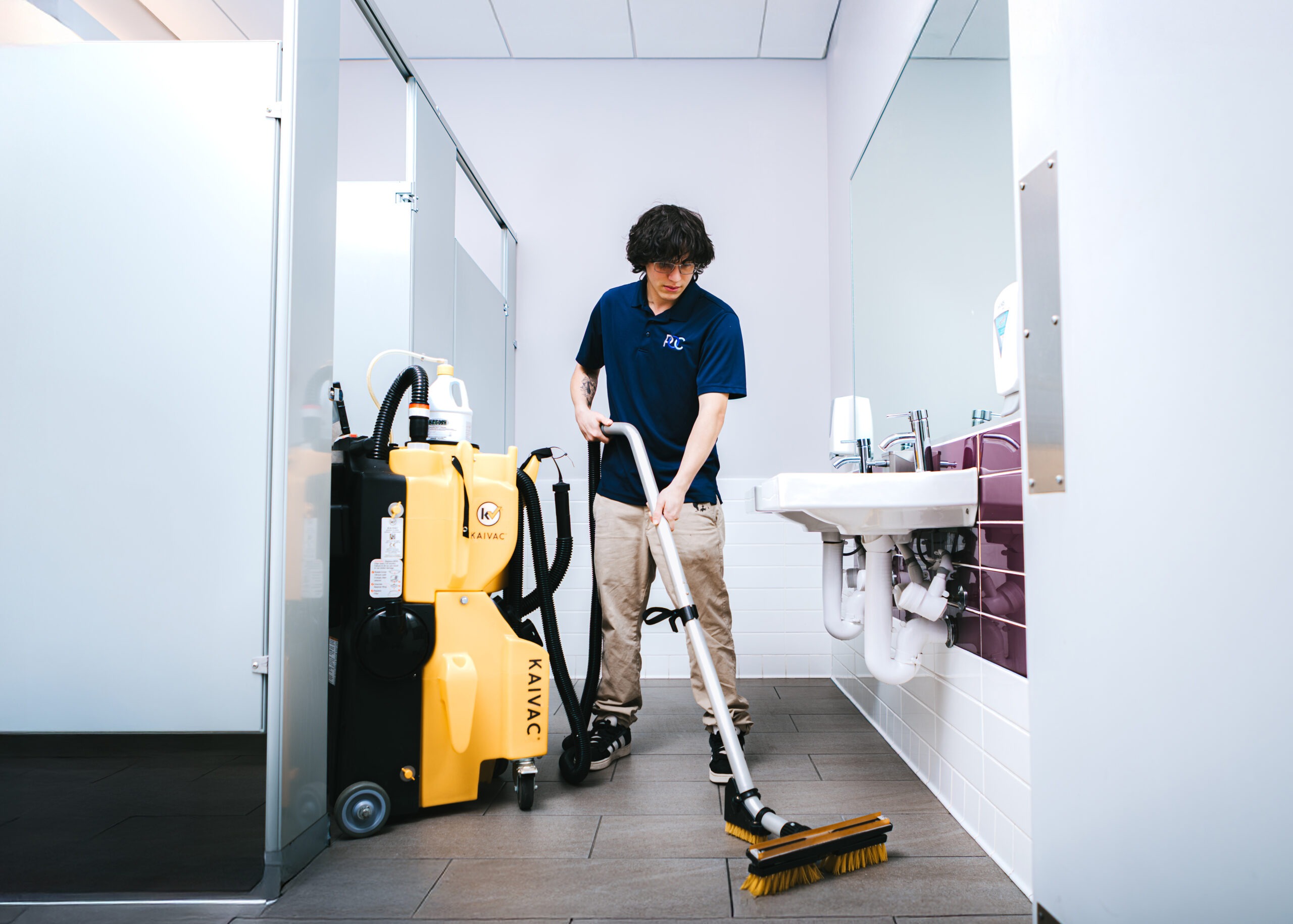
| Restrooms & Locker Rooms | Deep germ eradication & biohazard compliance | Color-coded microfiber cloths, floor scrubbing, odor elimination | Multiple Times Daily / Day Porter |
| Cafeterias & Food Prep | Food-grade surface sanitization & pest prevention | Food-safe germicides, grease removal, immediate spill response | Pre- and Post-Meal Shifts |
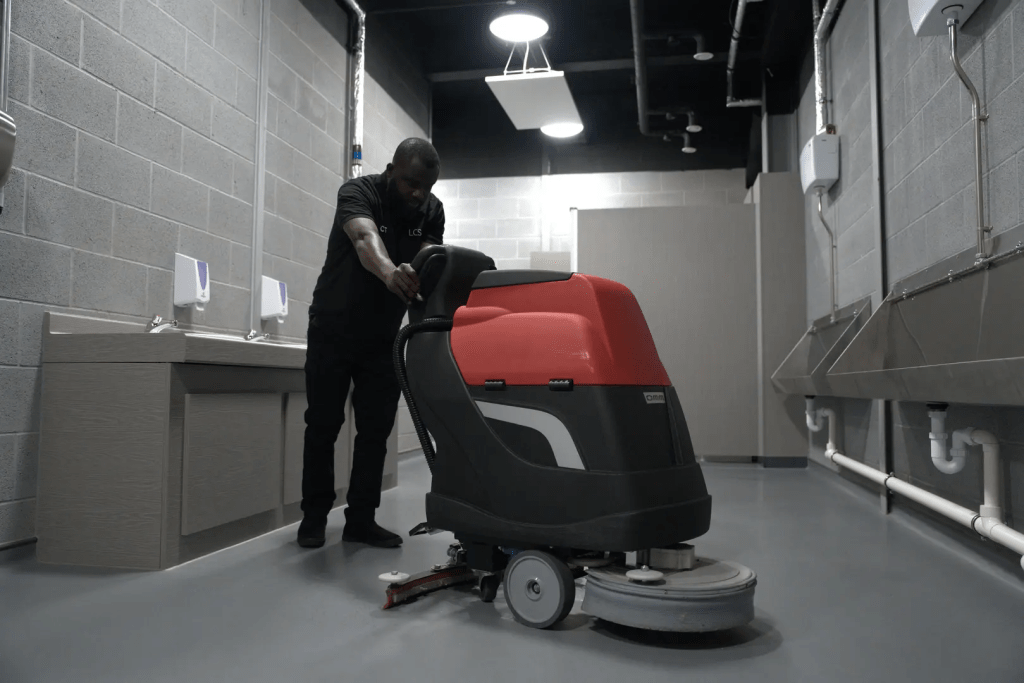
| Gymnasiums & High-Traffic Floors | Slip prevention, surface protection & deep polish | Auto-scrubbing, specialized floor refinishing, mat maintenance | Daily / Quarterly Deep Care |
| Administrative & Staff Offices | Dust mitigation, trash removal & surface wiping | Standard commercial janitorial procedures, desk & device care | Daily / Weekly |
Navigating Regulatory Standards & Environmental Health Guidelines
Establishing effective school cleaning services requirements starts with understanding health guidelines. Federal, state, and local agencies oversee these standards closely. Educational facilities face direct scrutiny from the Environmental Protection Agency (EPA). The Occupational Safety and Health Administration (OSHA) also regulates these environments.
Chemical safety is paramount when cleaning spaces inhabited by children. The EPA emphasizes that school cleaning products must meet strict air quality rules. Safe products prevent triggering asthma or respiratory distress among students. Contractors must utilize EPA-registered disinfectants with low volatile organic compound (VOC) emissions. These products must maintain proven efficacy against common pathogens like influenza, norovirus, and staphylococcus.
Beyond chemical selection, OSHA rules mandate proper staff training. Custodial personnel need Hazard Communication (HazCom) instruction and Bloodborne Pathogens certification. Cleaning crews must wear appropriate Personal Protective Equipment (PPE). They must also learn proper chemical dilution techniques to prevent accidental exposure or surface damage. Documenting these training certifications is a non-negotiable legal requirement. Maintaining updated Safety Data Sheets (SDS) on-site is equally mandatory for contracted providers.
High-Touch Surface Disinfection and Cross-Contamination Controls
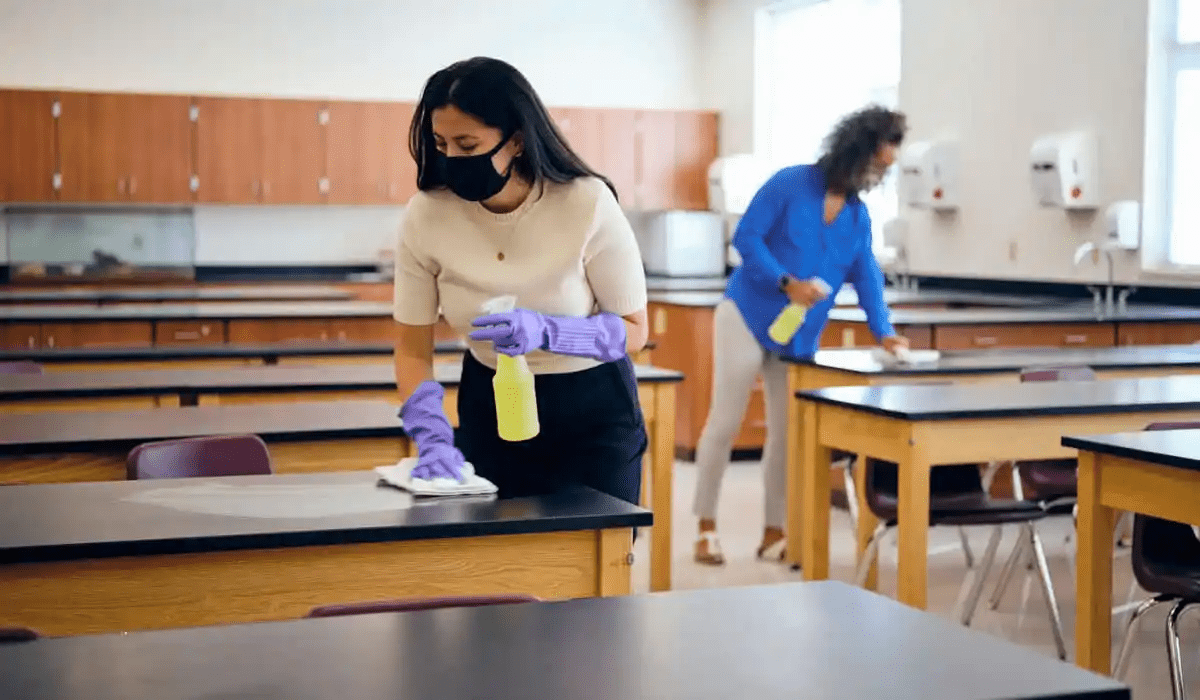
The spread of illness in schools can quickly compromise attendance rates. It also disrupts instructional schedules for teachers and students alike. Therefore, daily cleaning protocols must focus heavily on high-touch point disinfection. Desks, door handles, light switches, and interactive touchscreens harbor vast colonies of bacteria. Stair railings and drinking fountains also require continuous sanitization to stay safe.
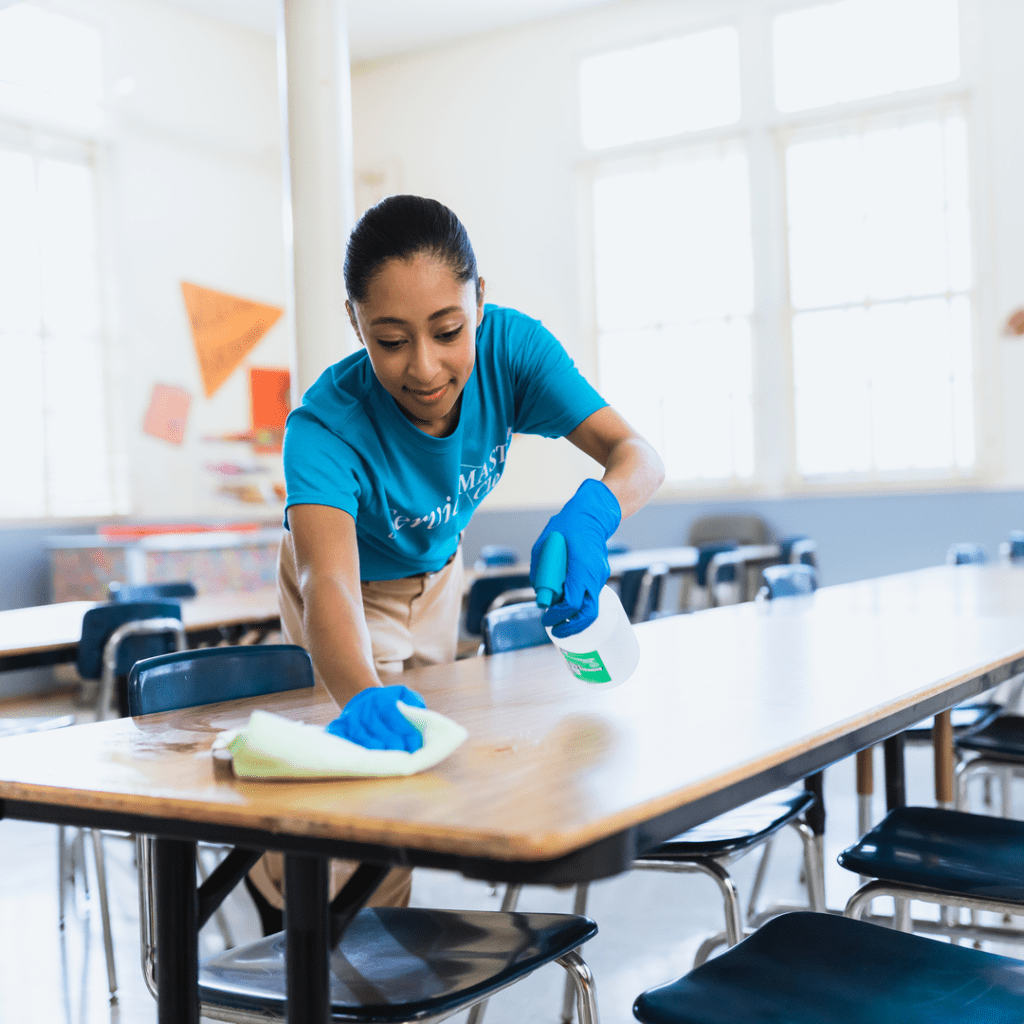
Modern school contracts mandate color-coded tools to break the chain of infection. Microfiber cloths and mops are assigned exclusively to distinct zones. Red tools are reserved for restrooms, while blue cloths clean classroom surfaces. Green items are used solely in food preparation areas. This system completely eliminates cross-contamination risks across the property.
Furthermore, dwell time must be strictly observed by cleaning staff. Dwell time is the duration a disinfectant must remain wet on a surface to kill pathogens. Spraying and immediately wiping surfaces neutralizes the effectiveness of most sanitizing agents. Training custodial teams to respect dwell times ensures classroom surfaces are truly disinfected rather than merely wiped clean.
Specialized Floor Care and Indoor Air Quality Management
Floors in educational facilities undergo immense daily wear and tear. Foot traffic, tracked-in mud, food spills, and heavy furniture take a heavy toll. Beyond visual appeal, floor conditions directly impact indoor air quality and facility safety. Dirt and particulate matter settled on floors can easily be kicked back into the breathing zone.
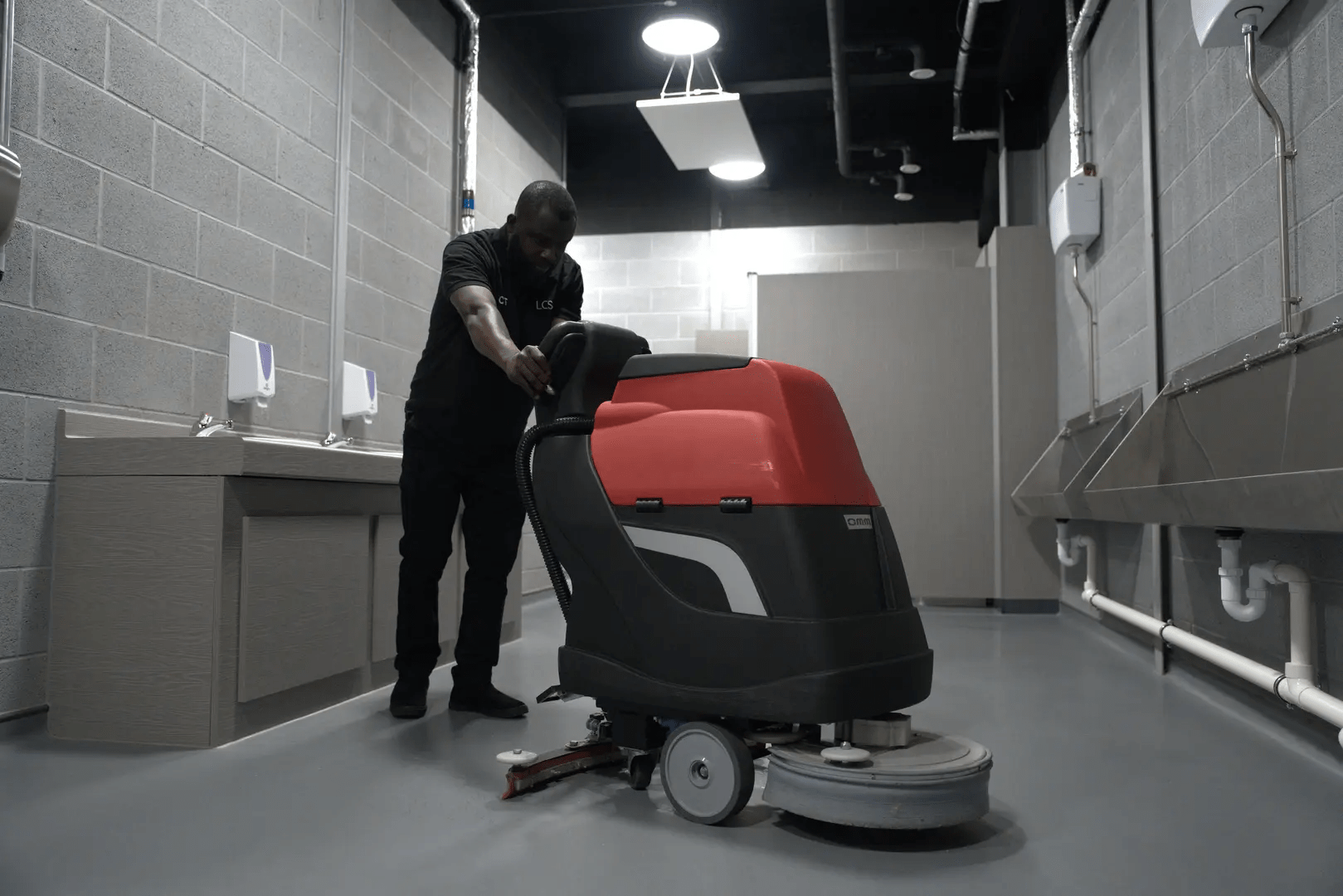
A complete floor strategy combines daily maintenance with periodic deep restoration. Hard surfaces like vinyl composition tile (VCT) and terrazzo need daily care. Microfiber dust mops and neutral cleaners used in auto-scrubbers keep these areas clean. Periodically, these surfaces require professional stripping, sealing, and refinishing. This process preserves the subfloor and maintains necessary slip resistance.
Carpeted areas in libraries, auditoriums, and early education rooms require commercial vacuums. These units must feature High-Efficiency Particulate Air (HEPA) filters. HEPA filtration traps 99.97% of dust, pollen, and airborne allergens down to 0.3 microns. This stops recirculated dust from harming indoor air quality. Scheduled hot-water extraction during school breaks further removes embedded soils and extends carpet life.
To explore how tailored floor programs preserve facility assets, examine specialized professional floor care solutions designed for high-traffic public spaces.
The Role of Day Porters vs. Nightly Janitorial Services
Meeting the complex operational demands of an active school requires a balanced approach. Facilities need continuous daytime maintenance alongside intensive after-hours janitorial execution. Relying solely on evening cleaning leaves facilities vulnerable during operating hours. Unaddressed daytime spills, overflowing restroom waste, and sudden sanitization needs create safety risks.
Day porters serve as on-site facility guardians during active school hours. Their primary duties include monitoring and restocking restroom supplies. They manage cafeteria turnover between meal periods and respond immediately to accidental spills. Porters also keep high-visibility entryways clean and welcoming. Having a dedicated porter on site ensures small issues are resolved before causing disruptions.
Once students and faculty leave for the day, evening janitorial crews execute deep cleaning tasks. Night crews focus on full classroom disinfection, trash removal, and floor scrubbing. They also handle recycling disposal and secure the facility at night. This dual-layered approach guarantees that the school opens every morning in a pristine state.
Sustainability and Green Cleaning Initiatives in Education
Modern educational institutions increasingly prioritize environmental sustainability in their facility frameworks. Implementing green protocols protects building occupants and aligns with institutional goals. These practices achieve sustainability without sacrificing sanitation rigor or performance.
Green cleaning programs rely on certified products, such as Green Seal or EcoLogo solutions. These products minimize toxic chemical exposure and reduce aquatic toxicity. According to environmental standards published by the U.S. Environmental Protection Agency (EPA), adopting sustainable cleaning practices substantially improves indoor air quality. It also reduces chemical-related health risks for students and staff alike.
Beyond chemical selection, green cleaning encompasses energy-efficient equipment and water-conserving floor scrubbers. Sustainable waste management practices are also essential. Microfiber technologies drastically reduce chemical and water consumption during daily operations. They capture significantly more soil than traditional cotton mops and rags. Embracing these techniques yields long-term cost savings while demonstrating environmental leadership to students and the community.
Vetting Commercial Partners: Security, Training, and Quality Assurance
Outsourcing commercial cleaning requires rigorous contractor vetting to ensure safety and quality. Custodial workers operate in environments housing minors, so safety protocols must be strict and transparent.
When establishing vendor qualifications, school boards and procurement teams should require:
- Comprehensive Background Screening: Full criminal background checks and drug testing for all assigned personnel.
- Multilingual Training Programs: Detailed operational training manuals provided in staff native languages to ensure complete comprehension.
- OSHA & Safety Certifications: Documented training in HazCom, personal safety, equipment operation, and emergency protocols.
- Structured Quality Assurance Inspections: Regular, documented walk-through audits conducted by field supervisors using digital checklists.
- Robust Insurance Coverage: Adequate commercial liability and workers’ compensation coverage to protect the school district from financial exposure.
Partnering with an experienced provider ensures your school receives consistent, audited janitorial care backed by professional management oversight.
Conclusion: Elevating School Health Through Standards
Establishing and enforcing thorough school cleaning services requirements is a vital investment. It protects the health, safety, and academic success of every student and staff member. By combining regulatory compliance, green sanitation practices, specialized floor care, and rigorous staff vetting, educational leaders create superior learning environments. These standards instill lasting confidence across the entire community.
If you want to audit your current custodial operations or implement a customized sanitation program, request a consultation through our commercial location assessment form. Receive a tailored facility management proposal designed for your campus needs.